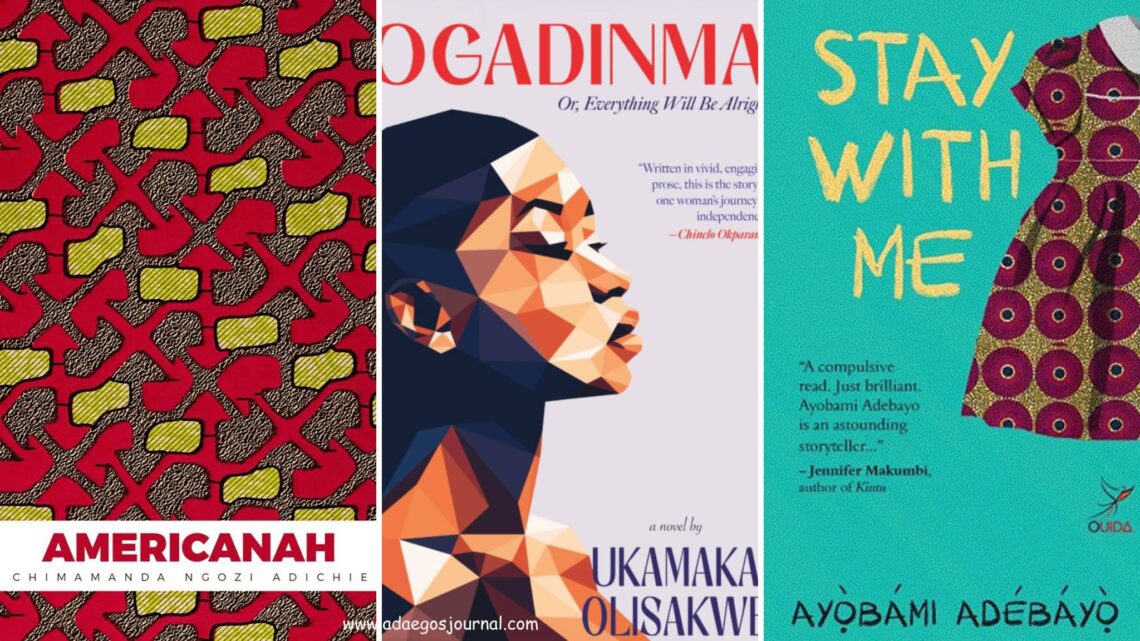
This post is the first part of a series on African Books I Think Every Reader Should Experience.
Growing up, I fell in love with reading novels—nothing serious or technical. I loved Mills & Boon romance novels so much that I could finish one in a single sitting, even if the environment was rowdy and noisy. Over time, I discovered Christian fiction, and I absolutely loved that too.
Discovering African Literature
Then, a few years ago, someone gifted me Americanah by Chimamanda Ngozi Adichie—and I was completely hooked. I read it in two days. In fact, I read it again a month later. Since then, I’ve read it twice more.
That book was my real introduction to African literature. What stood out the most was how deeply relatable the story felt. Seeing familiar experiences, conversations, and emotions reflected on the page felt wonderful. After that, I started searching for more African books. I picked up Purple Hibiscus, also by Chimamanda, and it was absolutely amazing. From there, I began collecting more African literature—and trust me, if you do too, you might find yourself just as hooked as I was.
Why African Literature Matters
African literature tells stories that feel deeply familiar yet profoundly eye-opening. Indeed, these stories root themselves in culture, identity, womanhood, love, struggle, faith, and resilience—stories that stay with you long after the final page.
The books on this list are not just ones I enjoyed; rather, they made me pause, reflect, feel seen, and sometimes feel uncomfortable—in the most necessary ways. Some challenged my thinking. Some broke my heart. Others reminded me of the strength and complexity of African lives and experiences.
Therefore, if you’re new to African literature or simply looking for your next meaningful read, these are African books I think every reader should experience.
1. Americanah — Chimamanda Ngozi Adichie
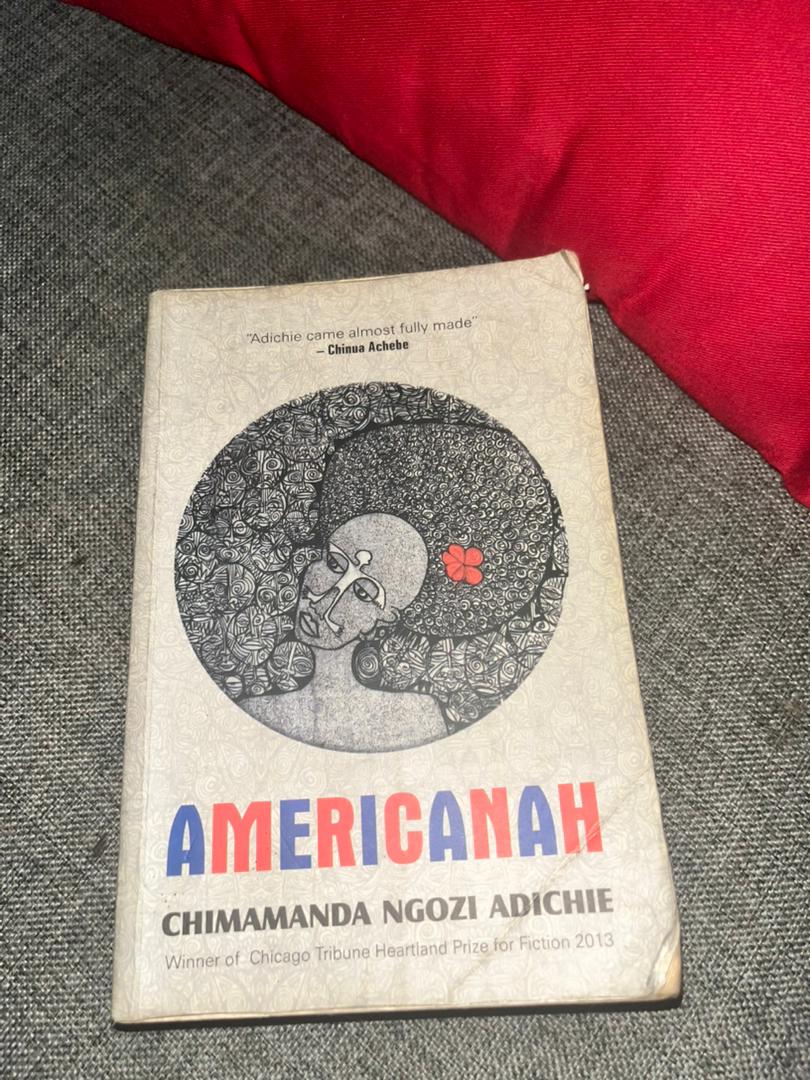
Americanah follows Ifemelu, a Nigerian woman who leaves home for America and must confront questions of race, identity, love, and belonging in ways she never had before. The story is set in the early 1990s, during the Abacha regime, a time when many Nigerians left the country to study or seek better lives.
Ifemelu falls in love with Obinze in secondary school. Their relationship continues through university, but during a long strike, Ifemelu leaves for America, hoping Obinze will join her. However, unable to get to America, Obinze becomes an illegal immigrant in London.
Meanwhile, Ifemelu battles race and racism in America. After several years, both she and Obinze find success—Ifemelu as a popular blogger on race, and Obinze as a wealthy man in democratic Nigeria. Eventually, Ifemelu returns home.
I read this book slowly—not because it was difficult, but because it made me pause and picture the world Chimamanda described. Some parts felt uncomfortably honest. It quietly asked me: Who am I? Where do I belong?
Why I Recommend It:
This book opens important conversations about identity and belonging in a way that feels real and relatable.
“Race doesn’t really exist for you because it has never been a barrier.”
2. The Secret Lives of Baba Segi’s Wives — Lola Shoneyin
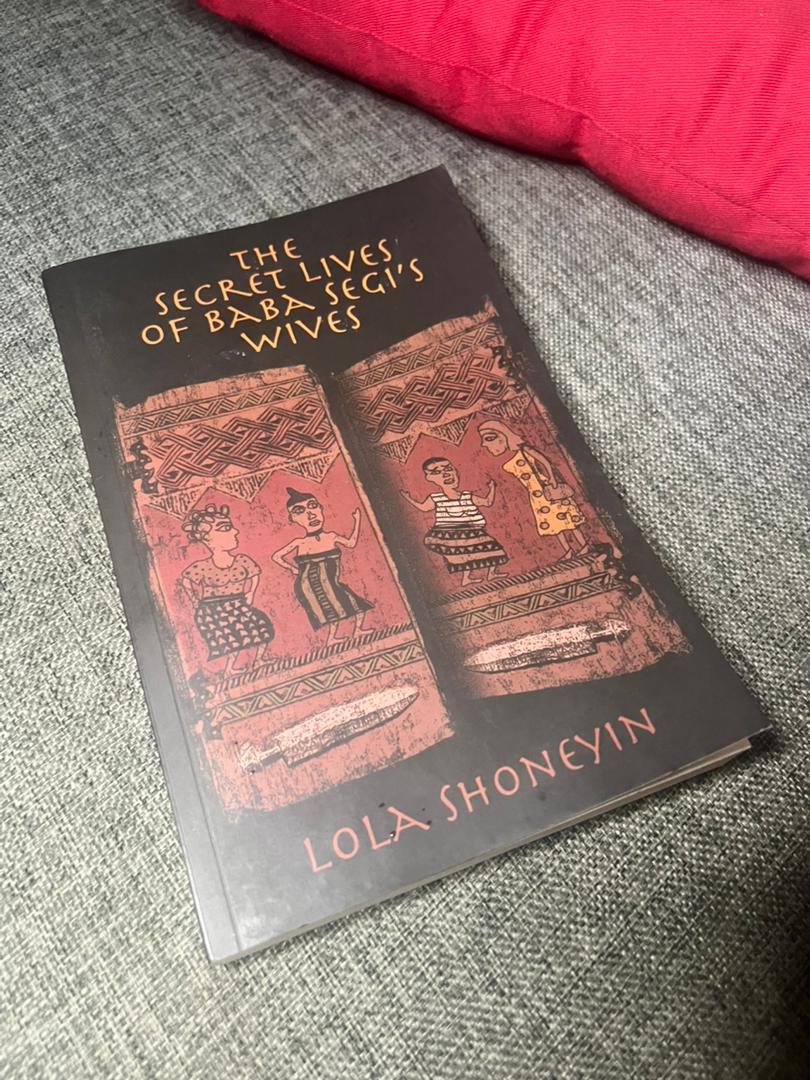
This book tells the story of Baba Segi, a polygamous, crude, illiterate but affluent man living in the suburbs of Ibadan, Nigeria, and his four wives: Iya Segi, Iya Femi, Iya Tope, and his latest wife, Bolanle. (“Iya” means “mother” in Yoruba.)
Bolanle is different from the other wives. She is educated, which immediately raises questions—why would a young, educated woman choose to become the fourth wife of an illiterate man? Some might say it’s because of money… but is it?
Before Bolanle came into the picture, Baba Segi prided himself on his masculinity and his ability to impregnate women. His three wives had all borne him multiple children, and the household existed in a fragile but steady peace. However, that peace began to crack when Bolanle joined the family. Over time, her inability to conceive—unlike the other wives—sparked curiosity, suspicion, and uncomfortable questions.
What no one openly admits is that each of them carries a carefully guarded secret (well… maybe except Baba Segi himself). Those secrets threaten to explode if Bolanle doesn’t conceive soon enough.
I don’t want to take away the shock and surprise you feel while reading this book, so I’ll stop here.
I expected drama—and yes, there was drama, especially given what we often hear about polygamous homes. Yet, I was completely dumbfounded by the depth of the secrets that unfolded. What stood out most were the women—each doing her best to survive her circumstances. I found myself feeling empathy even when I didn’t agree with some of their choices.
Why I Recommend It:
This book gives women a voice and reveals the hidden emotional lives behind closed doors—especially in spaces where women are often misunderstood or judged.
Netflix is currently adapting it, and I can’t wait to see the cast bring these characters to life on screen.
“Secrets are what make life interesting.”
3. I Do Not Come to You by Chance — Adaobi Tricia Nwaubani
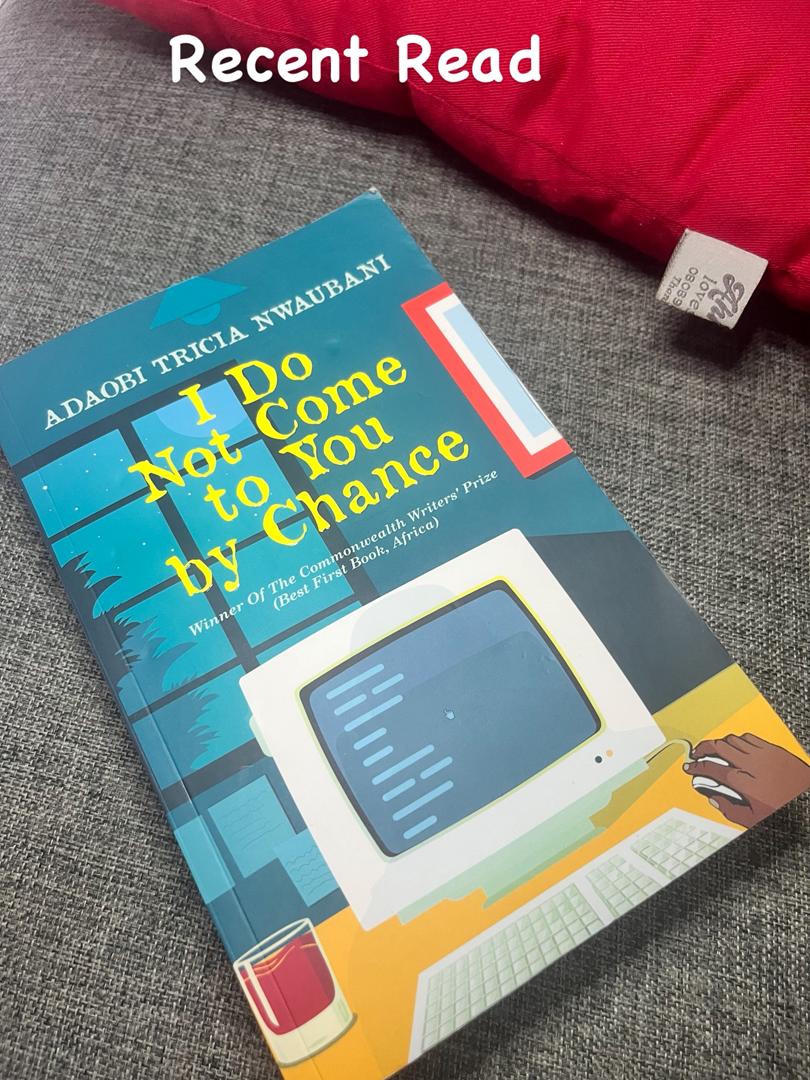
This book follows Kingsley, a young man whose life doesn’t unfold the way he hoped. After graduating with high grades and expectations, he faces the harsh reality of unemployment and financial pressure as the first child and first son (known as Di Okpara in Igbo land). He loses the love of his life to someone richer because he couldn’t afford to marry her yet. Meanwhile, his father falls ill, and his younger siblings and mother all depend on him as the Di Okpara.
He finds himself pulled into a morally complicated world he never imagined. His goal is to earn enough to support his family and stop. However, money intoxicates him—the more he gets, the more he wants.
As I read this, I felt conflicted in the most uncomfortable way. One moment, I judged the choices being made; the next, I understood them. As a first child myself, I understood the weight of responsibility.
The story doesn’t ask you to excuse wrongdoing—it asks you to look closely at the circumstances pushing people toward desperate decisions.
What struck me most was how familiar the pressure felt: family expectations, fear of being left behind, and the quiet shame of not “making it” fast enough. Indeed, it’s a story that forces you to confront how thin the line can be between survival and compromise.
Why I Recommend It:
This book challenges quick judgment and reminds us that choices don’t exist in a vacuum—circumstances shape them more than we often admit.
“Poverty is not just a lack of money; it is a lack of choices.”
4. The Joys of Motherhood — Buchi Emecheta
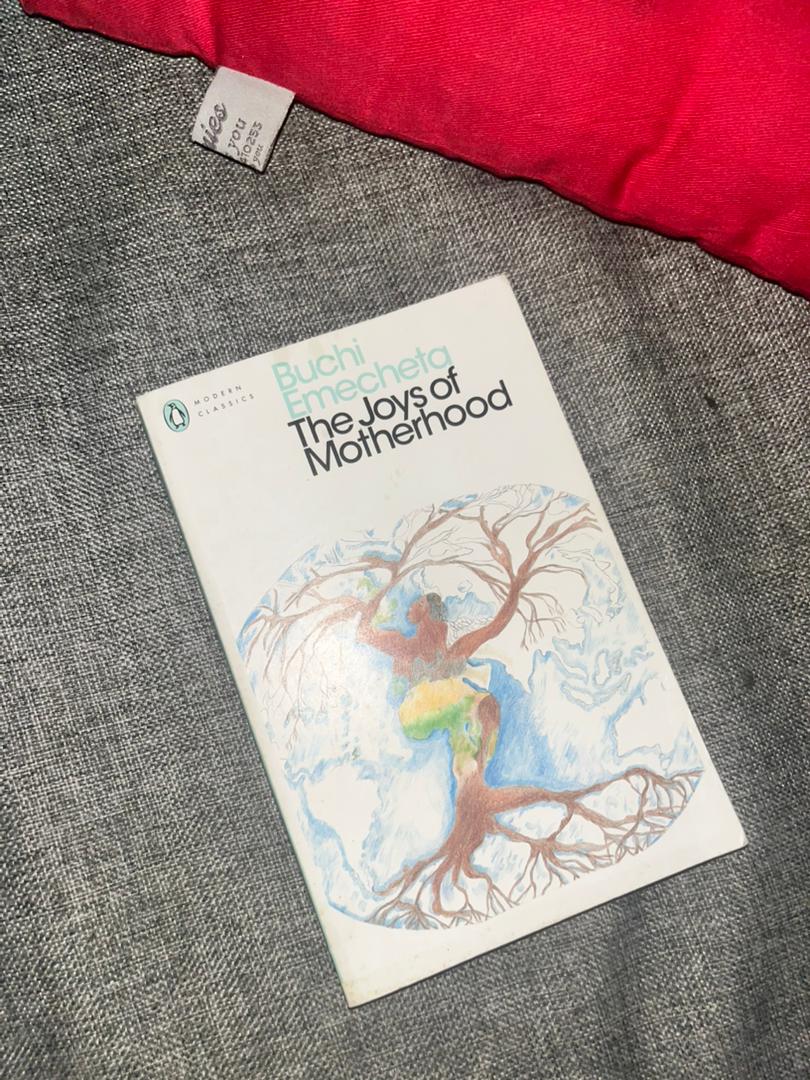
This classic novel tells the story of Nnu Ego, a woman who believes that motherhood will bring her fulfillment, respect, and security. Instead, she discovers that sacrifice does not always come with reward, and love does not always guarantee appreciation.
This book sat heavy with me. It made me pause often and reflect on how much women are expected to give—emotionally, physically, and mentally—without complaint. Nnu Ego’s life is filled with devotion, yet her sacrifices often go unnoticed.
Reading this felt like confronting an uncomfortable truth: motherhood, while beautiful, can be isolating and exhausting when society places endless expectations on women without offering support in return.
Why I Recommend It:
This book tells the truth about motherhood without sugarcoating it. It honors women by acknowledging both their strength and their exhaustion.
“Motherhood was not as glorious as she had been led to believe.”
5. The Girl with the Louding Voice — Abi Daré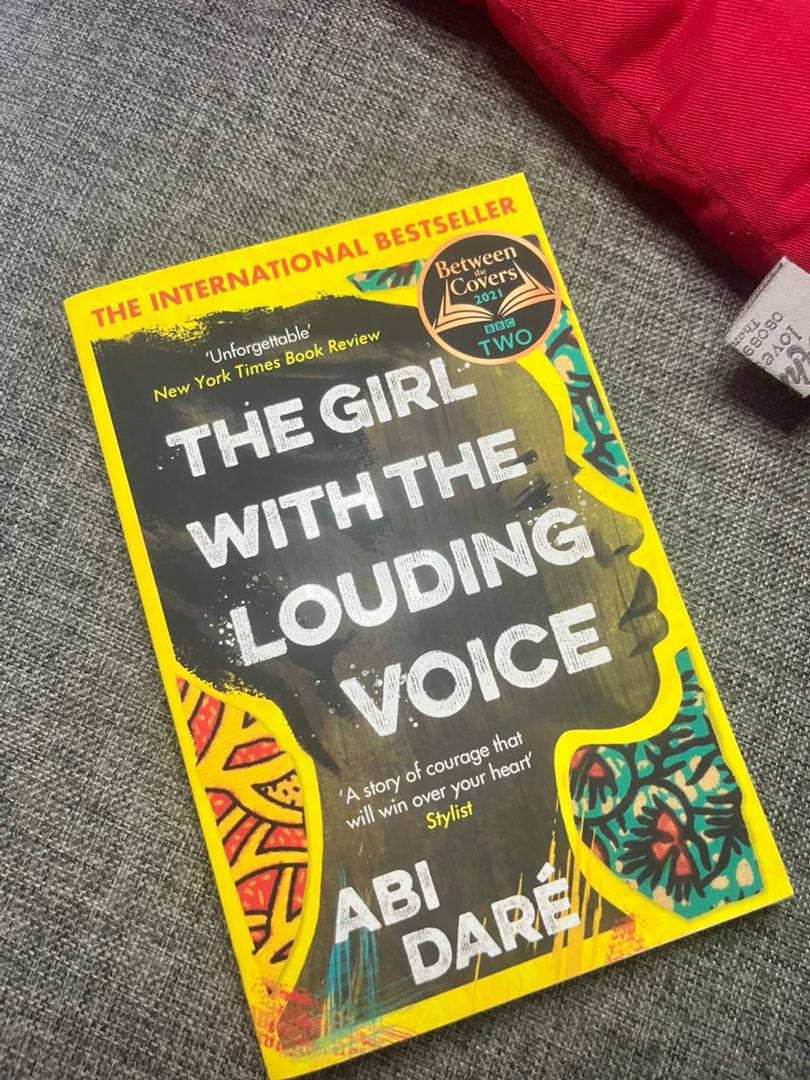
The title sounded funny when I first heard it.
Adunni is a young girl with one simple but powerful dream: to get an education and have a voice in a world that tries to silence her. Despite hardship and loss, she refuses to stop dreaming.
She escapes an early forced marriage and finds work in Lagos. However, the path to school isn’t easy. Her employer is cruel, and she struggles—but she never forgets her dream.
Reading this made me feel proud and protective. Adunni’s voice is raw, innocent, and full of determination.
Why I Recommend It:
This book empowers and reminds us why every girl deserves education and the freedom to speak for herself.
“I am learning that to have a voice is to be human.”
6. Buried Beneath the Baobab Tree — Adaobi Tricia Nwaubani
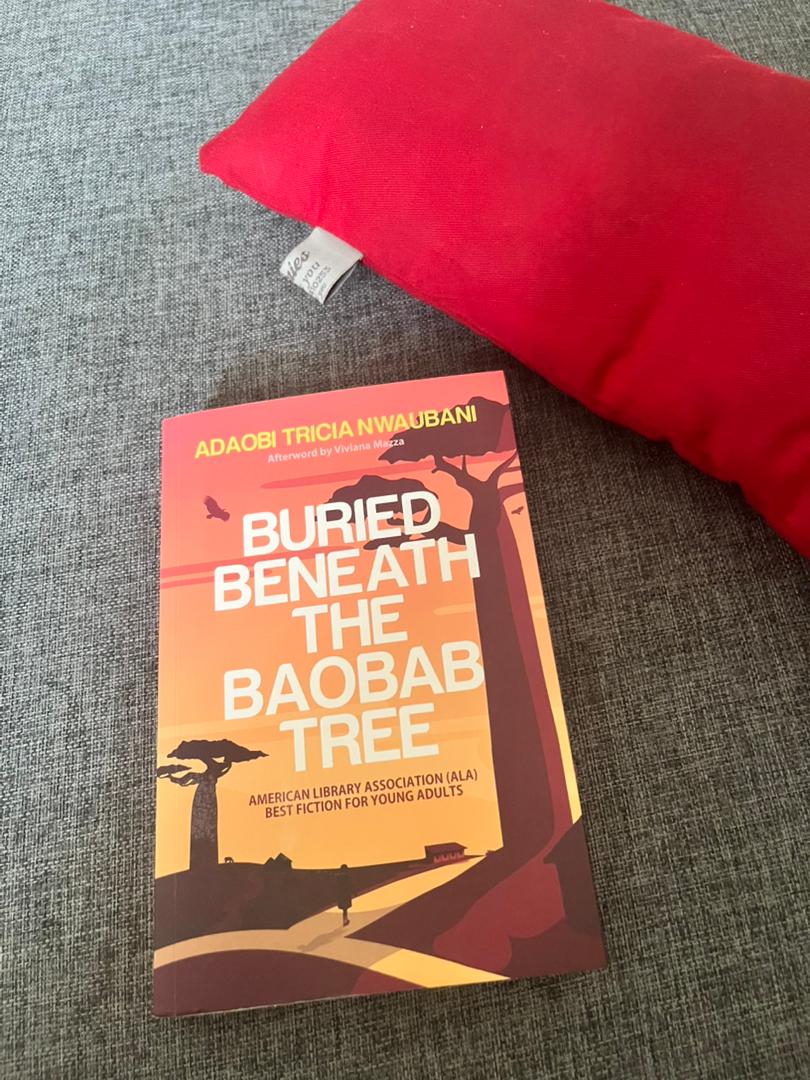
Inspired by real events, this novel tells the painful story of a young girl named Ya Ta whose life is violently disrupted by loss, displacement, and unimaginable trauma.
If you have heard of the story of the abducted Chibok girls in Borno State, Nigeria, in 2014, this book follows that storyline. Her village was attacked by Boko Haram, leading to her capture alongside other young women after killing her brothers and father.
This was not an easy book to read. I had to pause several times—not because the writing was heavy-handed, but because the reality it portrayed was deeply painful. Yet even in the darkness, there was resilience, faith, and hope that refused to disappear.
Why I Recommend It:
This book humanizes stories we often hear about in passing and forces us to see the people behind the statistics.
“Hope is stubborn. It refuses to die.”
7. Stay With Me — Ayọ̀bámi Adébáyọ̀
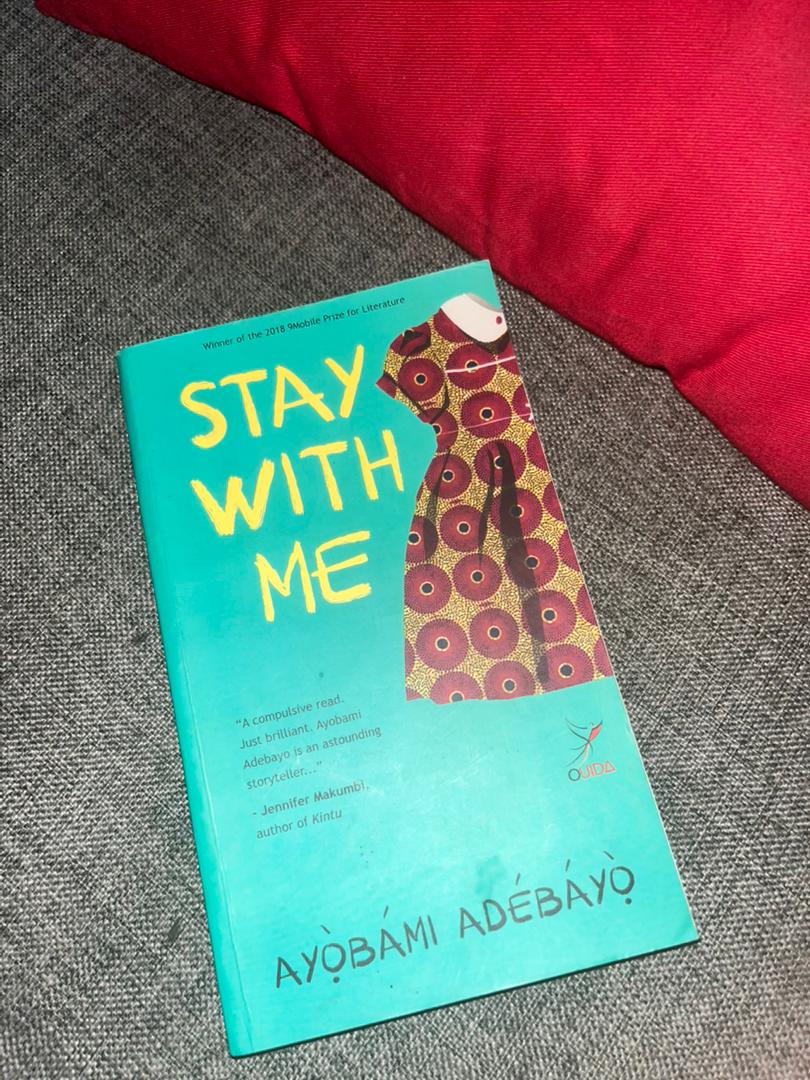
This quiet, emotional story explores marriage, infertility, love, and expectations—and how silence can slowly break even the strongest bonds.
Set in 1980s southwestern Nigeria, it follows Yejide and Akin, who struggle to have children. After four years, Akin’s mother forces him to take a second wife, beginning a painful struggle.
This book made me know that what we call Ogbanje in Igbo culture is called Abiku in Yoruba culture. I used to think it was just peculiar to the Igbos but alas i was wrong.
Abiku is a Yoruba word that can be translated as “predestined to death” and refers to the spirit of a child who dies young, if a woman gives birth to a child and the child dies before becoming an adult, such a child is called “Abiku”. This was Yejides fate in this book. Stay With Me asks how much we can sacrifice for the sake of family.
Why I Recommend It:
This book shows how love alone isn’t always enough—communication matters just as much.
“Love was not enough. It was never enough.”
8. A Broken People’s Playlist — Chimeka Garricks
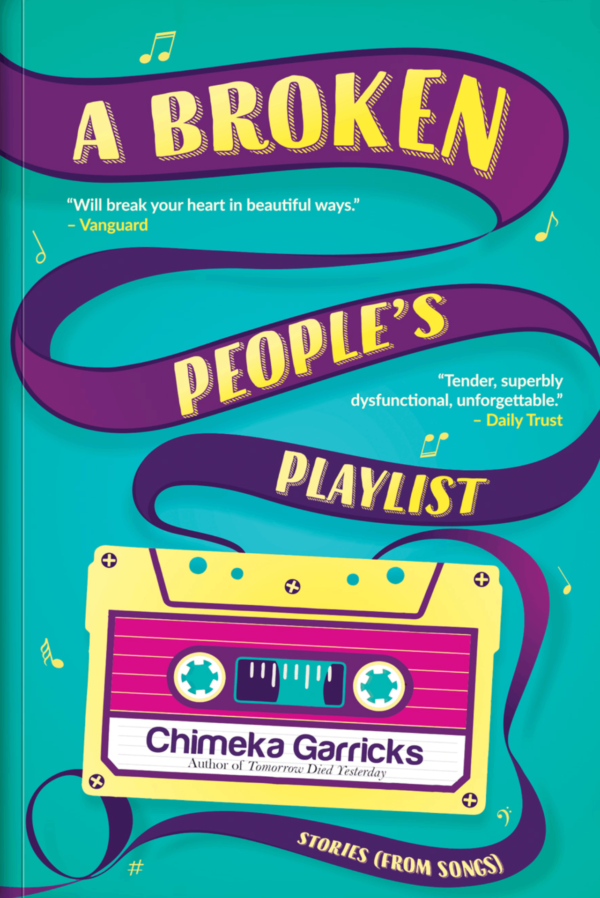
This book is a collection of short stories that captures everyday Nigerian life through voices dealing with pain, ambition, regret, hope, and resilience.
Reading it felt like sitting with friends sharing pieces of their lives—some unfinished, some unresolved, all deeply human.
Why I Recommend It:
This book reflects real life—messy, quiet, and unresolved—and reminds us we all carry burdens.
“Everyone is carrying something they don’t know how to put down.”
9. Ogadinma, or Everything Will Be All Right — Ukamaka Olisakwe
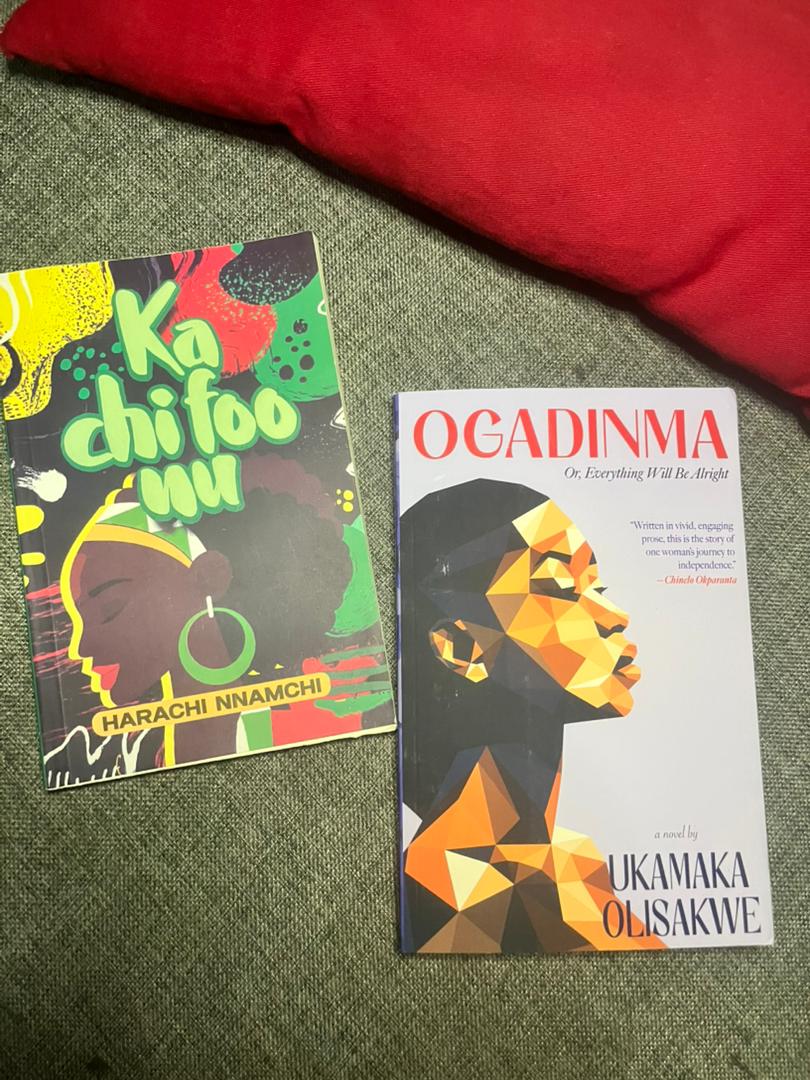
Ogadinma follows the story of a naïve and trusting young woman growing up with her father in Kano.
She dreams of going to university, but her chances feel slim. Her father sends her to someone who promises to fast-track her admission.
After a traumatic rape—which she hides from her father—and an unwanted pregnancy, she is sent to live with her aunt in Lagos as retribution. There, she is manipulated into marrying an older man, crushing her hopes for university.
She believes marriage to Tobe at 17 is what she needs to fix her life and win her father’s love back.
Reading Ogadinma’s story is gut-wrenching. We witness the hardships she endures—first in Kano with Barrister Chima and her father, and later in Lagos with her husband, Tobe. Through her journey, the novel reveals the deep and often painful impact of patriarchal society on women’s lives.
Why I Recommend It:
Ogadinma is a powerful and honest portrayal of a young woman’s resilience in the face of immense challenges. Her story feels real, reminding us of the strength it takes to survive—and to keep believing that, even when everything feels impossible, everything will be all right.
“She began to count; it was easier this way, counting, because she would not have to remember how she felt. She only had to remember how long she had counted.”
10. Purple Hibiscus — Chimamanda Ngozi Adichie
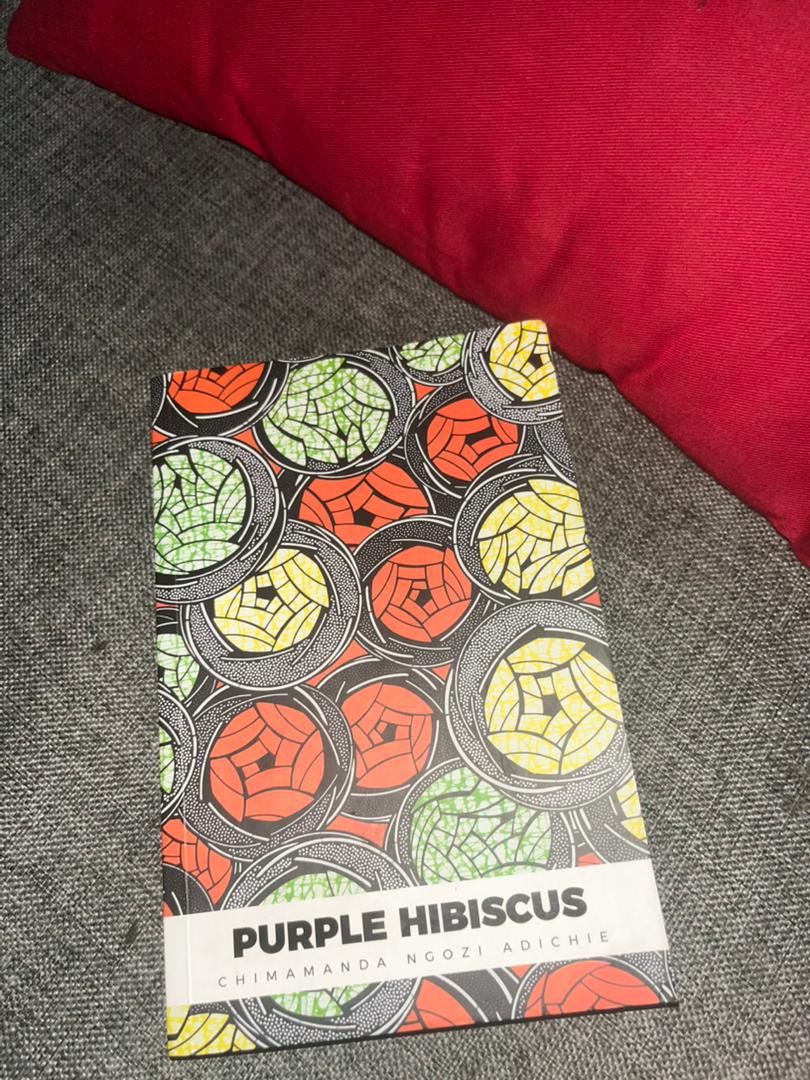
This book follows Kambili, a 15-year-old girl living in Nigeria during a military coup. It’s a dangerous time for the country, but her home life is equally dangerous, ruled by fear, silence, and religious extremism. From the outside, everything appears perfect—but inside, the household is tense and controlled.
Kambili narrates how she grew up with a strict, controlling, and mean father. Though he loved his children, he demanded everything be done his way. He was deeply religious, insisting the family never miss mass—even if they were dying—and required them to be consecrated and clean to take communion every Sunday.
He also beat his children when they didn’t come first in class. Throughout the book, the family walks on eggshells when he is home—including his wife. He was the literal “Lion of the tribe of the house.”
He cut off his own father for continuing to practice traditional “pagan” ways and forbade contact between his children and their grandfather. Kambili’s father also disapproved of his sister for remaining in contact with their father, so Kambili and her brother hardly knew their aunt and cousins.
I never saw the ending coming.
Why I Recommend It:
This book explores freedom, faith, and healing in a way that feels honest, emotional, and deeply human.
“Silence, like a disease, spread through the house.”
🌿 Final Thoughts
African literature—creates space for stories that are relatable, emotional, and deeply human. These books do more than entertain—they teach, challenge, comfort, and remind us of who we are and where we come from.
Each book on this list left me with something different—reflection, discomfort, understanding, or hope. Some made me pause. Some stayed with me long after I finished reading. That, to me, is the mark of a powerful story.
So, if you’re looking to explore African literature or reconnect with stories that feel close to home, these books are a beautiful place to start. Take your time with them and allow yourself to feel everything they bring.
Happy Reading!!!
So which of these books have you read?



Oh nice.
You seem to be an avid and voracious reader. Your depth review of these indicates nothing to sign that you have devoured them all.
I am not so much of a reader but respect those who read this wide.
Nice brief reviews and sharp points of suggestions.
Thank you. And yes i am an avid reader, i love to read for fun and to unwind.