
Parenting conversations these days often circle back to one topic: gentle parenting, My question is Does Gentle Parenting Really Work?
Some people swear by it. Others feel it’s unrealistic. And many parents, like me, are somewhere in the middle — trying to figure things out while raising real human beings.
Let me start with an honest confession.
I have tried and tried to stay calm, but I still find myself yelling alot. Especially with a toddler. It can feel like my child does not hear a single word I say until my voice gets louder. And the moment I raise my voice and the message finally lands, I immediately feel bad.

Because deep down, that’s not the kind of parent I want to be.
The funny thing is, when someone else yells at my child, I almost instantly want to react and say, “Please stop yelling.” Meanwhile, I’m here trying to remain calm myself… but I still reach my limit almost every time.
Parenting can be very humbling like that.
So naturally, I started hearing more about gentle parenting. You hear about it everywhere now — online, in parenting books, on social media, in podcasts. Some parents say it works beautifully for them. They talk about calm homes, emotionally aware children, respectful communication.
But then there are others who strongly disagree.
Some say it’s unrealistic, that children need firm discipline or they will take advantage of you. Some say it only works in theory but not in real life.
And honestly, I can see why the debate exists.
Because raising children today feels like a serious responsibility. You’re constantly trying to find the right balance.
You don’t want to shout your children into fear, anxiety, or silence. But at the same time, if you don’t raise your voice sometimes, it can feel like there’s wool blocking their ears. Like they only hear you the moment your voice changes.
If you’re nodding while reading this, you’re definitely not alone.
And just to be clear — I am not an expert in parenting.
I’m just a parent learning the ropes, just like you.
Trying to Do Things Differently
One thing I have been very intentional about is not raising my children exactly the way many of us were raised.
For a lot of us, childhood discipline was heavily based on fear. You didn’t question adults. You didn’t explain yourself. We simply obeyed — sometimes because you were scared of the consequences.
And while many parents did the best they could with what they knew at the time, I think a lot of us are trying to create something a little different for our own children.
Personally, I want my kids to feel comfortable talking to me.
I want them to feel like they can come to me with anything — mistakes, questions, worries, silly stories, all of it.
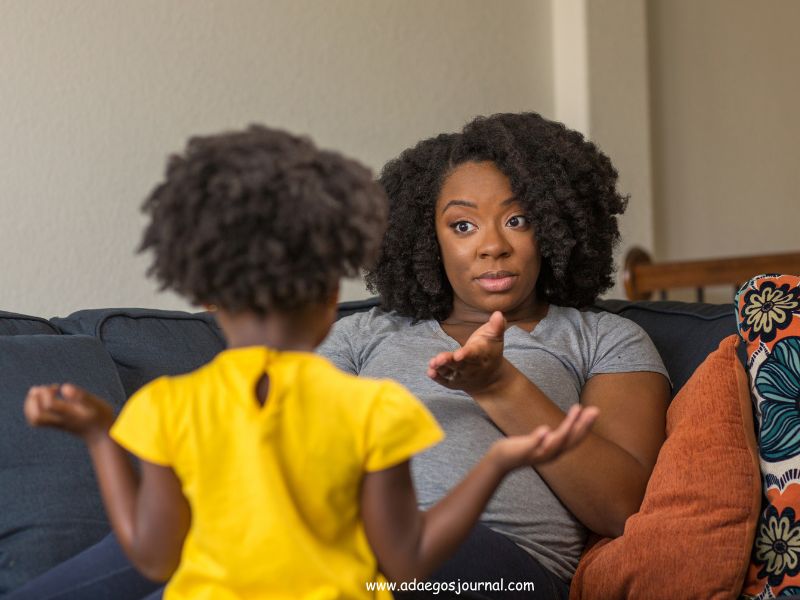
I don’t want to be the parent they are afraid to approach.
But at the same time, I also don’t want to swing to the other extreme and become overly soft.
Children still need boundaries.
They still need structure.
They still need guidance.
Wanting to parent differently is one thing.
Actually doing it in real life is another.
Because there are days when all the patience, calm explanations, and parenting philosophies in the world seem to disappear.
There are days when gentle parenting feels almost impossible.
When Gentle Parenting Feels Impossible
Let’s be honest about something.
Sometimes parenting — especially with younger children — feels like repeating the same sentence twenty times.
You ask them to pick up their toys.
Nothing happens.
You repeat yourself.
Still nothing.
You ask again.
And then the moment you raise your voice, they suddenly move.
In moments like this, it’s easy to think: Maybe yelling is the only thing that works.
Some days, it feels even more overwhelming when you’re managing more than one child at once — like a toddler and a newborn. I shared more of those real-life challenges in Life with a Toddler and Newborn: What No One Prepared Me For.

And those moments can be frustrating, because you might start the day determined to stay calm, only to end it feeling like you failed.
You raise your voice.
Your child finally listens.
Then the guilt shows up.
You think to yourself, I didn’t want to handle it like that.
Many parents live in that cycle — trying to do better, but still finding themselves reacting in ways they didn’t plan.
The truth is, gentle parenting asks a lot from parents.
It requires patience, emotional control and awareness.
And when you are tired, stressed, busy, or overwhelmed, those things don’t always come easily.
Parents are human too.
We are managing homes, work, responsibilities, finances, relationships — and somewhere in the middle of all that, we’re trying to raise emotionally healthy children.
That’s not easy.
What Actually Helps in Those Moments
When gentle parenting feels impossible, I’ve realized a few small shifts can help reset the situation.
First, remembering that children are still learning.
Toddlers and young children are not ignoring instructions just to be difficult. Many times they are still learning how to process directions, regulate emotions, and understand boundaries.
What looks like stubbornness is often just development.
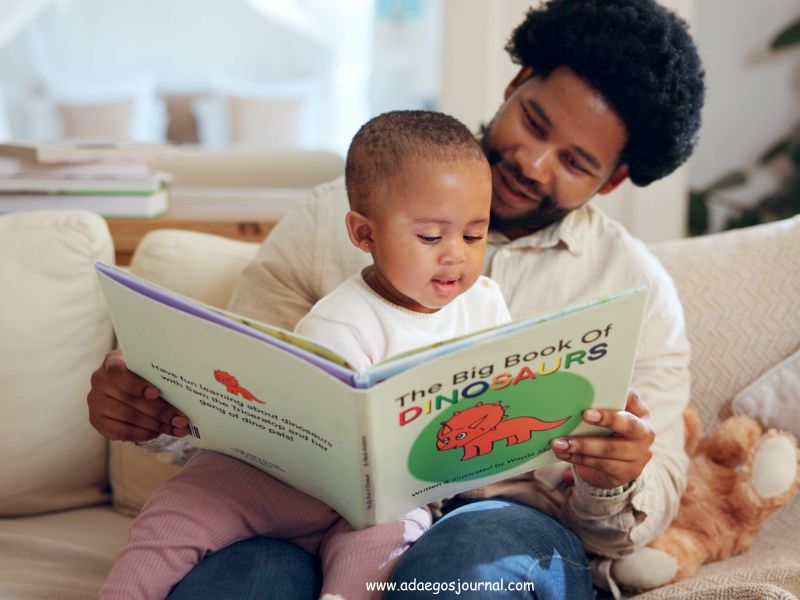
Second, focusing on connection before correction.
Sometimes a child responds better when you slow down and connect first. Kneeling down to their level, calling their name, and making eye contact can be far more effective than repeating instructions from across the room.
Do you remember the mummy look growing up? That one look our mothers gave us and we immediately adjusted. You can have your own mummy look too — sometimes a calm, firm look is all it takes for them to understand. 🙂
And the funny thing is, many of us didn’t even know why that look worked — we just knew it meant “behave yourself immediately.”
Sometimes our children just need that moment of connection and clarity before they respond.
Third, giving yourself grace when you lose patience.
No parent stays calm all the time.
None.
The goal is not perfection.
The goal is being aware enough to reflect and try again.
Sometimes that means going back to your child and saying something like:
“I’m sorry I shouted earlier. I was frustrated, but I should have spoken more calmly.”
Moments like that teach children something powerful — how to acknowledge emotions and take responsibility for them.
In all of this, it brings me to something I’ve been thinking about a lot lately.
Maybe the Real Answer Is Balance
In my opinion, balance is key.
I don’t think anyone can be gentle all the time. Parenting is emotional. Children test limits. Life is stressful. Some days you are tired, overstimulated, overwhelmed, and just trying to get through the day.
And on those days, patience can run out.
You might raise your voice.
Or even react faster than you wanted to.
You might say something in frustration and immediately wish you could rewind the moment.
But maybe the goal of parenting — or even gentle parenting — is not perfection.

Maybe the goal is awareness.
Trying to pause before reacting.
Learning to guide instead of just control.
And even when we mess up — which we will — we can still repair the moment.
We can apologize. Yes, learn how to apologize to your kids when you are wrong too. It teaches them that even adults make mistakes, and that taking responsibility, saying sorry, and doing better next time is part of growing.
We can reconnect.
We can try again tomorrow.
That effort alone changes the relationship between parent and child.
We Are All Learning
If there is one thing parenting teaches you, it’s humility.
Every stage brings new challenges.
What worked yesterday might not work tomorrow.
What works for one child might not work for another.
And that’s okay.
None of us completely figure parenting out.
We are all learning along the way.
So if you are in this same place — trying to stay calm but sometimes reaching your limit, trying not to repeat patterns from the past but still figuring things out — you are not alone.
Maybe the real goal isn’t perfect parenting.
Maybe the goal is simply growing alongside our children.
And somewhere between firmness and gentleness, between discipline and empathy, between structure and connection — we find the balance that works for our families.
If you’re in this same space, trying to figure it all out…
Come, let’s talk. Share your thoughts in the comments section
We’re learning together.
I’ll leave you with these Bible verses for understanding and reflection:
“Fathers, do not provoke your children to anger, but bring them up in the discipline and instruction of the Lord.” – Ephesians 6:4 🙏
“I can do all things through Christ who strengthens me.” – Philippians 4:13 ✨
Thanks for reading!
With love,
Adaego