
This is How Journaling Helped Me Clear My Mind, especially when overthinking and mental clutter feel overwhelming.

I have always had a problem with overthinking and overanalysing things. I get ideas and inspiration a lot from what others do—things that fascinate me—and I always want to try them out. But over time, I realised that I rarely finish one thing before jumping to another. I also tend to forget ideas if I don’t write them down somewhere.
My mind is always in overdrive, which usually leaves me feeling anxious, cluttered, and stressed. For the longest time, my mind felt like a beautiful but noisy place. I wanted to do everything immediately—from my career as a web developer, to being a mom of two adorable kids, to creating content, and even starting a scent brand. I wanted to do it all at once.
And when results didn’t come as fast as I hoped, I’d move on to the next great idea, most times forgetting the previous one entirely—and why I even wanted to do it in the first place.
But one day, I started writing my ideas down as they came. I realised I could actually keep track of my thoughts and return to them when needed, instead of constantly feeling overwhelmed. That simple habit is what birthed this journal.
Beyond just getting my thoughts on paper, I’ve realised over time that journaling helps me see my thoughts more objectively—knowing what truly matters and letting go of what doesn’t. Even the Bible says, “Write the vision and make it plain,” right?
So if you’ve ever had a restless mind like me, or found yourself stuck in a loop of overthinking and overanalysing, journaling might just be the reset button you need. Stick with me, bestie—let’s declutter our minds together.
What My Mind Was Like Before I Started Journaling
(Overthinking, Mental Overload, and Unfinished Ideas)
Let me be real with you—before journaling, my mind was doing the absolute most.
One minute it was, “Oh, I want to learn how to edit on CapCut.”
The next minute, “I should learn illustration.”
Then, “Maybe I should start a course on how to build websites.”
Next thing, I’m reading about how to bake a pie.
It just kept going on and on.

I was constantly thinking about what I could do, what I should be doing, and what I hadn’t done yet. One moment I’d feel excited about a new idea, and the next moment I’d feel overwhelmed by how much effort it would take to bring it to life. Instead of feeling inspired, I felt stuck—and most of the time, I didn’t even get to act on any of these ideas.
I was also putting a lot of pressure on myself without even realizing it. I wanted to show up fully and give 100% in every area of my life—my career, motherhood, creativity, and personal growth. But because everything felt urgent in my mind, nothing ever felt complete. I carried unfinished ideas and unspoken thoughts everywhere I went.
How I Started Journaling (My Simple and Real Beginning)
Journaling didn’t come to me as some big, life-changing decision. It started quietly and randomly.
One day, I picked up a notebook and wrote down everything I wanted to do for that day—basically a to-do list. And when I did that, I noticed something surprising: my mind felt clearer and freer.

I wasn’t constantly thinking about all the things I wanted to achieve that day and then forgetting some of them. With this simple list—things like call the plumber or start the editing tutorial—I could keep track of my thoughts and work through them one at a time, based on priority.
Even if I didn’t finish everything that day, I could always come back to the list and remember, oh yeah, I still need to do this.
Because I didn’t overthink what I was “supposed” to write, my journaling started naturally. There were no rules, no guides—just my messy thoughts and tasks on paper.
At first, I didn’t use any fancy notebooks or pens. Just a random book. Over time, I got a proper journal and made it beautiful because I knew it would inspire me to write more. I tried digital journaling (I even created a digital journal), but I realized I’m old school—I prefer pen and paper. Writing by hand feels slower, but that slowness is the point.
How Journaling Changed My Life and Mental Space
You might be asking yourself, “Does journaling actually reduce overthinking?”
Yes, bestie—it absolutely does. Journaling Helped me clear my mind and reduce overthinking things because they are all in my head.
Think about it this way: your mind is racing about work, weight, life, responsibilities—everything at once. But the moment you write those thoughts down, your mind slows just enough for clarity to show up.
Journaling became a way for me to think, not just record.

Some days I write about what happened.
Other days, how I feel.
And some days, what I need to do.
The Power of Seeing My Thoughts Outside My Head
Putting pen to paper made a real difference for me. My thoughts were no longer trapped and scattered in my head—they were organized and easier to understand. Journaling became my safe space, my personal reset button.
How Journaling Helped Me Clear My Mind
(The Real Benefits I Experienced)
When I first started journaling, I didn’t realize how much it would transform my mental space. It wasn’t just about writing things down—it became a powerful way to untangle my mind and reduce stress. This is how Journaling Helped me clear my mind and reduce overthinking things. By:
Getting Thoughts Out of My Head and Onto Paper
My mind used to feel like a nonstop whirlwind of ideas, worries, and to-dos—all screaming for attention. Writing them down felt like opening a window in a stuffy room. My head felt lighter because the noise finally had a place to live outside of me.
Releasing Stress and Emotional Tension
Some days, my journal was my refuge—the place where I could pour out stress and emotions I couldn’t say out loud. Seeing those worries on paper made them feel less heavy and helped me breathe easier.
Gaining Clarity on Problems and Decisions
When I felt stuck or overwhelmed, journaling helped me break down my problems into smaller pieces. Writing forced me to slow down and organize my thoughts, making big decisions feel less intimidating. Sometimes, just by seeing my options on paper, I found answers or felt clearer about the next steps and also priotized what was important.
Feeling Calmer, Lighter, and More Grounded
Over time, journaling became my anchor. My mind felt calmer, lighter—like I had finally decluttered that noisy room in my head.
My Favorite Journaling Prompts and Methods
One thing I love about journaling is how flexible it is. There’s no single right way—just what works for you.
“What Do I Need to Do Today?” (Daily Planning Prompt)
This helps me outline tasks, prioritize what matters, and remove what doesn’t. It keeps my mind sane and focused.
“What’s on My Mind Right Now?” (Brain Dump Prompt)
This simple question is like hitting the mental pause button. It helps me slow down and dump whatever’s swirling in my head onto the page. Sometimes it’s random thoughts, sometimes worries or excitement—whatever’s there gets a voice. Starting with this prompt grounds me and sets the tone for deeper reflection.
“Why Am I Feeling This Way?” (Emotional Awareness Prompt)
When emotions feel confusing or overwhelming, asking myself this helps me dig a little deeper. It’s like being my own detective, trying to understand the root of what’s really going on beneath the surface. This prompt often uncovers things I didn’t realize I was carrying, and that awareness makes those feelings easier to handle.
Free-Writing Journaling (No Rules, Just Flow)
Some days, I just let my pen flow freely without worrying about grammar, punctuation, or making sense. This free-writing feels like a brain dump—raw and honest.
Gratitude Journaling, Brain Dumps, and Reflection
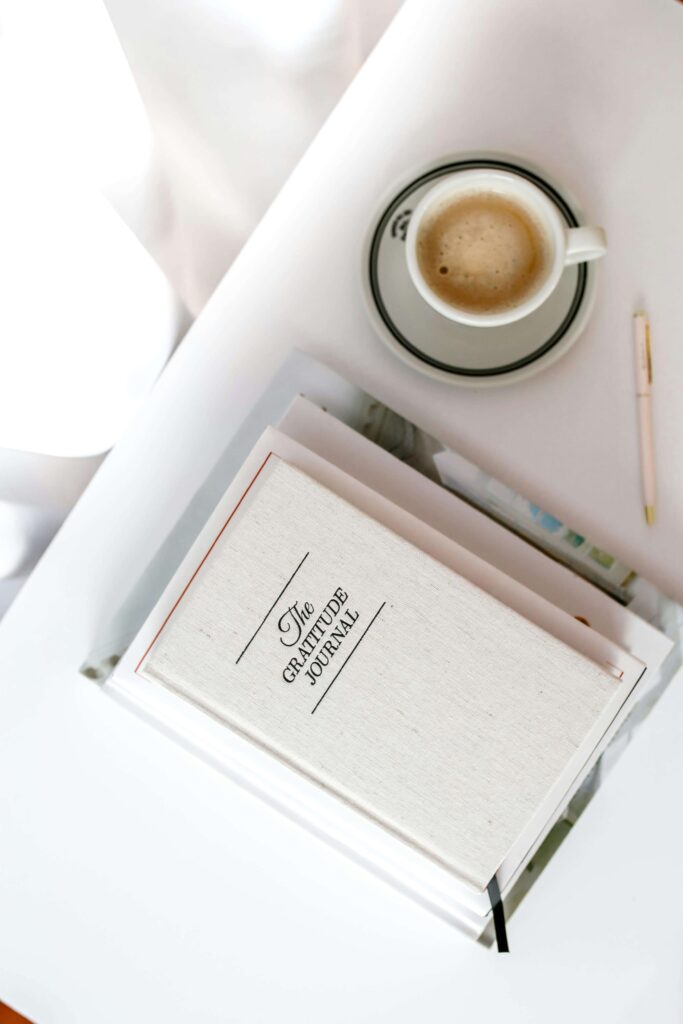
Gratitude journaling is a game-changer for shifting my mindset—writing down even the smallest things I’m thankful for helps me see the good when life feels heavy. Brain dumps are perfect for those cluttered moments when my mind is racing; it’s like emptying the inbox of my thoughts. Reflection journaling, where I review my day or week, helps me learn, grow, and celebrate progress, no matter how small.
How to Start Journaling as a Beginner
(Simple Tips That Actually Work)
You might be thinking “What to write when you start journaling” honestly, the best way to start is to keep it simple and kind to yourself.
Here are some tips that helped me—and I hope they’ll help you too.
Start Small (5 Minutes or less)
You don’t have to write a novel. Even just five minutes or less a day is enough to get your thoughts flowing and build a habit. Sometimes those few minutes are the most peaceful moments in my day, that helps me clear my mind from all the clutter. Starting small makes journaling feel doable, not like another chore.
No Rules, No Judgment
Your journal is your safe space—there are no rules and definitely no judgment. You can write messily, write random thoughts, or even scribble nonsense if you want. The goal isn’t to be perfect; it’s to be honest with yourself. Give yourself permission to be exactly who you are on the page.
Write Honestly, Not Beautifully
Journaling isn’t about crafting beautiful sentences or sounding deep. It’s about being real. Let your words be raw and imperfect. Sometimes the most powerful moments come from those honest, unfiltered thoughts you barely dare to say out loud.
Stay Consistent but Gentle with Yourself
Consistency helps, but don’t beat yourself up if you miss a day (or a week!). Journaling is a practice, not a test or a do or die affair, the goal is for Journaling to help clear your mind always remember that.
Don’t Compare Your Journaling to Others
Everyone’s journaling journey looks different. Some people write pages every day, others jot down a few words here and there. Comparing your journal to someone else’s only steals joy from your process. Focus on what works for you and celebrate your unique rhythm. Because your journal is personal to you so it doesnt really matter how you write it, you are not about to publish it for the world to see.
You might be asking.
Does journaling really help with overthinking?
Yes. Journaling helps slow down racing thoughts and creates mental clarity by moving thoughts from your head onto paper.
How often should I journal as a beginner?
Even 5 minutes a day is enough to experience the benefits of journaling.
Ready to Start Journaling? Here’s Your Sign
If your mind feels anything like mine did—busy, noisy, and a little overwhelmed, and you have read How Journaling Helped me clear my mind genuinely—I invite you to grab a notebook or open your favorite notes app and just start. You don’t need fancy tools or perfect words. Start simple.
Try one of the prompts I shared, or just write whatever comes to your mind. The goal isn’t to be perfect; it’s to give yourself a safe space to breathe and think. Even five minutes or less a day can make a difference.
So, bestie, what’s on your mind right now? Why not write it down and see where it takes you? Share your journaling journey or your favorite prompts in the comments—I’d love to hear from you!
Let’s clear our minds and grow together, one page at a time.



I never thought journaling was this helpful. I write a lot on paper to have a clear view of what I want to do but on different papers scattered all around. I never thought of putting them all in a place.
This is a masterpiece
Yeah, having a journal, whether digital or hardcover, helps you put all your ideas in one place without losing track. Thank you so much for reading.
Sincerely, this is a timely piece, you’d never know the importance of journaling until you forget those little ideas just when you need them, you rack your brain, and stress your mind trying so hard to recollect those ideas. Personally I’ve experienced this countless times, and I’m so glad I came across this piece today, I’m definitely journaling every single idea that crosses my mind from today. Thank you very much @adeagosjournal for this master piece….
Thank you so much.
This was a really nice read.I particularly love that the tips and insights shared are really clear and practical.
Never thought of giving journaling a shot,guess I’ll have to put pen on paper to see how it goes.
Thank you for reading. Please do give it a shot
Wow.. such an inspiration….I never thought penning down things, ideas and plans can relieve the mind of so much stress. I will do well to give it a shot. Thank you @adaegosjournals for sharing this with us.
Please do give it a shot and see the differnce it makes in your everyday life. Thank you for reading.