If you’ve ever opened your kitchen cabinet and something tumbled out like it was waiting for freedom, then you already know the struggle and this Small kitchen pantry ideas is what you need.
Small kitchens can feel overwhelming very quickly. One minute everything looks “manageable,” and the next, you’re digging through three layers of items just to find salt… only to realize you already have two opened packs hiding somewhere.
I’ve been there.
I’ve lived in kitchens where the “pantry” was just a single overcrowded cabinet, and honestly, it made cooking feel like a chore instead of something enjoyable.
But here’s the truth that changed everything for me:
You don’t need a big kitchen or a fancy walk-in pantry.
You just need a simple system that actually works for your space.
In this guide, I’ll show you exactly how to create and organize a small kitchen pantry from scratch, even if you feel like you have no space at all.
Step 1: Empty Everything (Start Fresh, Not Frustrated)
Before you organize anything, take everything out.
Yes… everything.
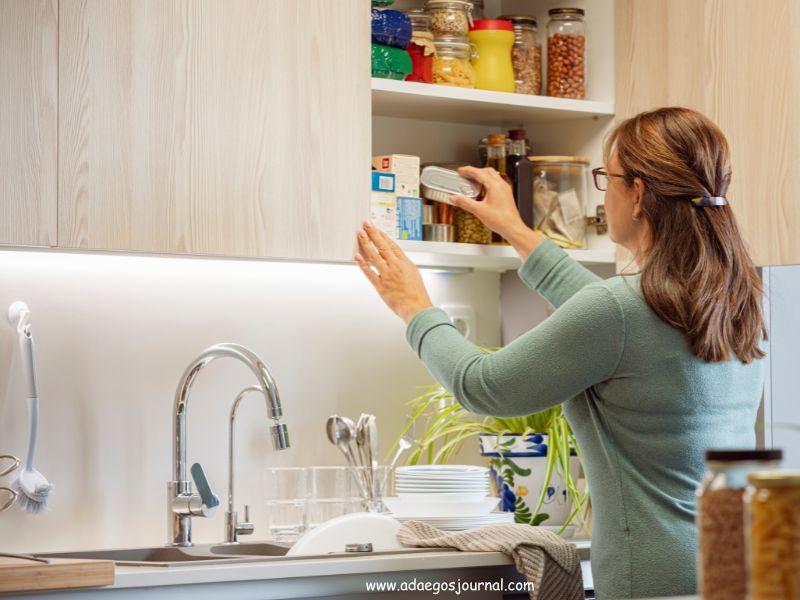
This step might feel like a lot, but it’s the only way to truly reset your space.
Lay everything out where you can see it—on your counter, table, or even the floor if you have to.
This helps you:
- See what you actually own
- Spot duplicates (this one is always shocking)
- Get rid of expired or stale items
Relatable moment:
You will probably find something you forgot you bought months ago. It happens to all of us.
Keep a trash bag nearby and don’t overthink it—if it’s expired or you know you won’t use it, let it go.
Step 2: Sort Into Simple Categories
Now that everything is out, it’s time to group similar items together.
Think simple, not perfect.
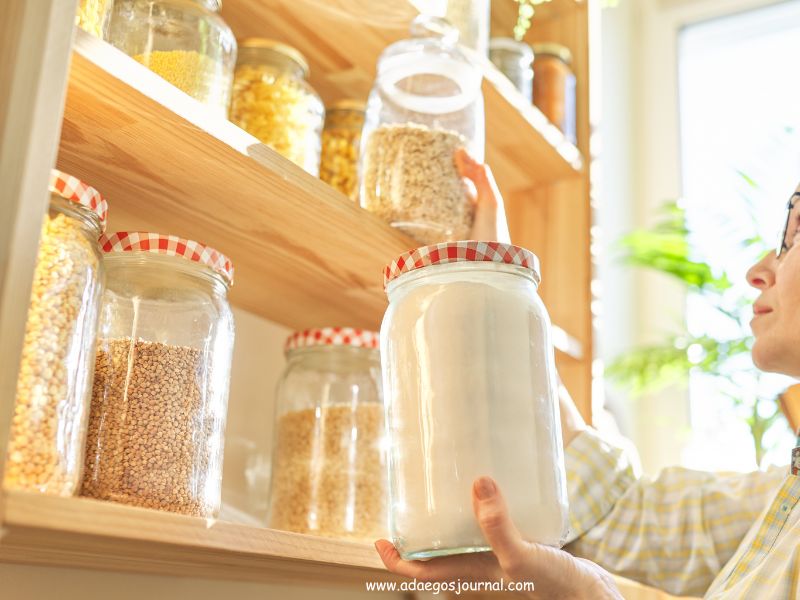
Create categories like:
- Grains (rice, pasta, oats)
- Canned foods
- Snacks
- Baking ingredients
- Spices and seasonings
- Breakfast items
This step is where the magic starts.
Because once everything has a category, it automatically becomes easier to store, find, and maintain.
A messy pantry is usually just an ungrouped pantry with everything everywhere.
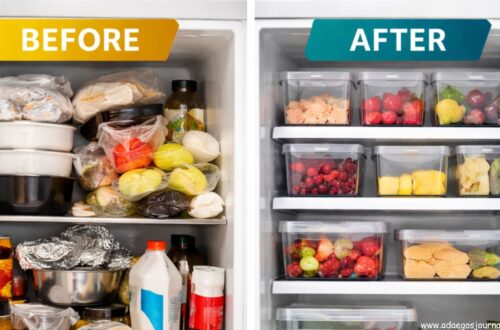
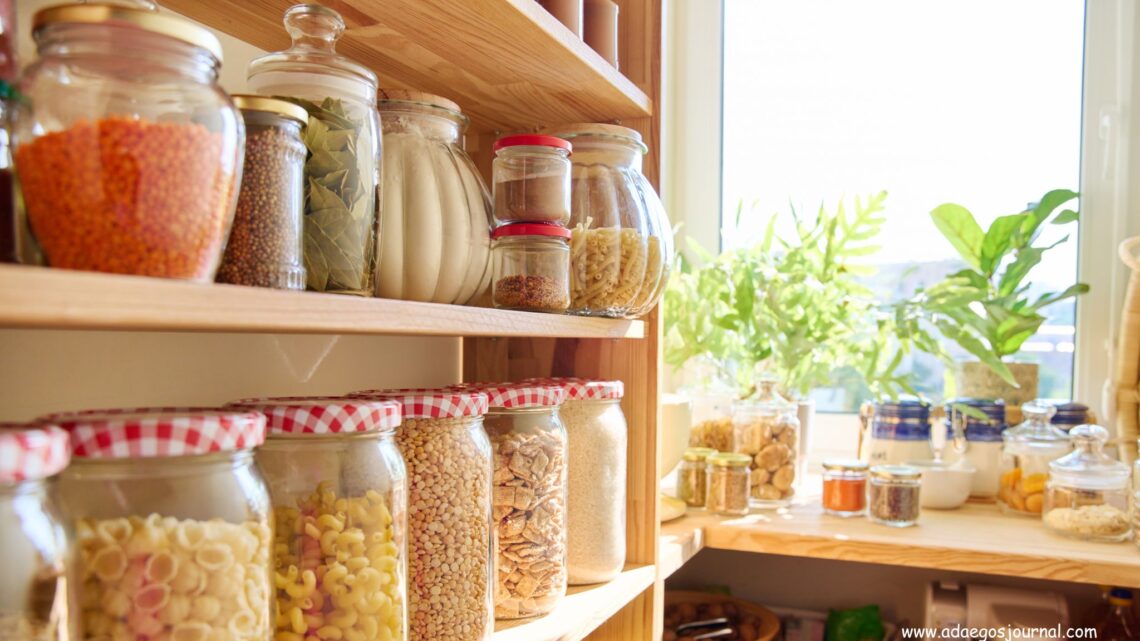
Step 3: Upgrade With Clear Containers (Instant Transformation)
If you’ve ever watched those satisfying pantry organization videos and thought, “Mine can never look like that,” this is the step that changes everything.
You don’t need a full makeover—just start with a few clear containers.
Use them for:
- Rice
- Beans
- Flour
- Sugar
- Cereals
- Oats
- Garri and so many others
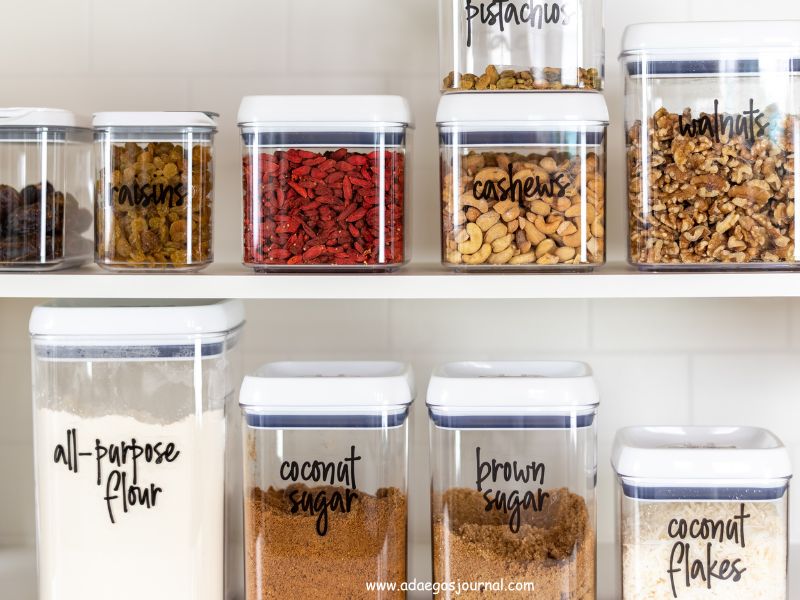
Why this works so well:
- You can see exactly what you have
- It reduces bulky packaging
- It instantly makes your space feel calmer and bigger
I used to think clear containers were just for aesthetics, but the first time I poured my rice into one and could actually see how much was left, it completely changed how I grocery shop. No more guessing or overbuying.
And if you can label them, it makes it easier to spot and even arrange items.
Start small. Even switching just your rice and flour into containers can make a huge difference.
Step 4: Use Vertical Space Like a Pro
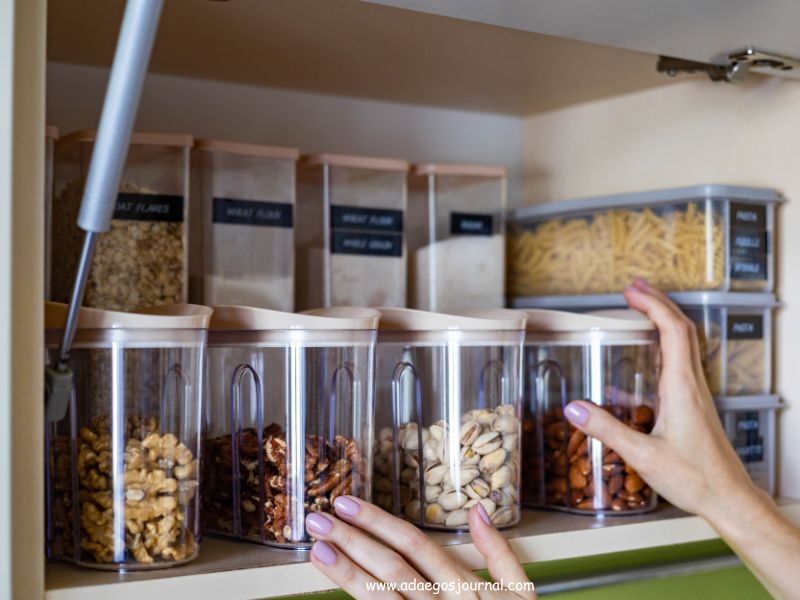
When you’re working with a small kitchen, space isn’t just limited—it’s precious.
So instead of trying to fit everything side by side, start thinking vertically.
Add:
- Stackable containers
- Shelf risers (to create layers inside cabinets)
- Hanging racks
- Hooks for lightweight items
This one shift can literally double your storage space.
The goal is not to fit more things—it’s to fit things better.
Step 5: Use Baskets and Bins to Control the Chaos
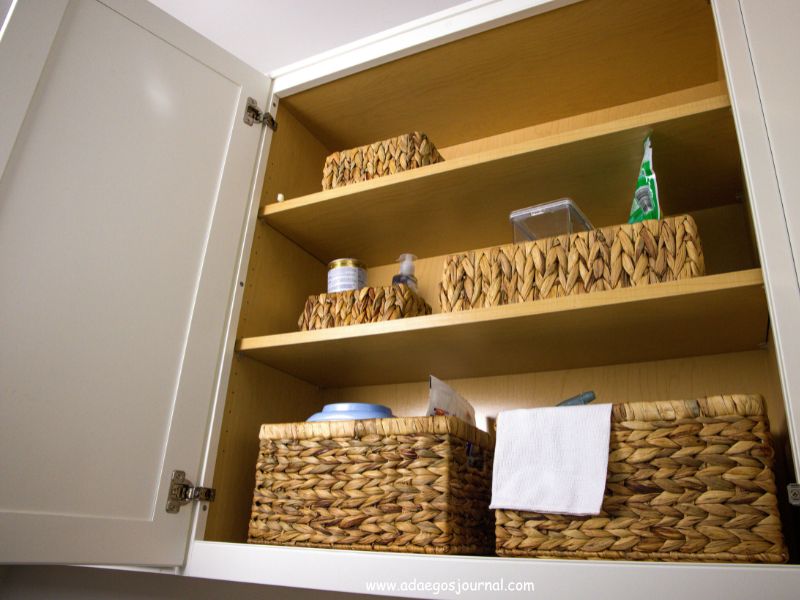
This is how you stop your pantry from going back to square one.
Bins are your best friend, especially for small or loose items.
Use them for:
- Snacks
- Seasoning sachets
- Instant noodles
- Small packets and random items
Instead of everything floating around freely, bins keep categories contained.
Bonus tip:
If you can, label your bins. It makes it easier for everyone (including you on a busy day) to put things back where they belong.
Step 6: Create a “Use First” Zone (Save Money Without Trying)
This is one of those small changes that makes a big difference—especially if you’ve ever wasted food without realizing it.
Recently, I cleared out my basket for spices and sachet tomatoes, and I was honestly shocked. Some items had already expired, and a lot were very close to their expiry date—all because I didn’t check what I already had before buying more.
It was such a simple oversight, but it made me realize how easy it is to lose track of things in a small, crowded space.
That’s exactly why this step matters.
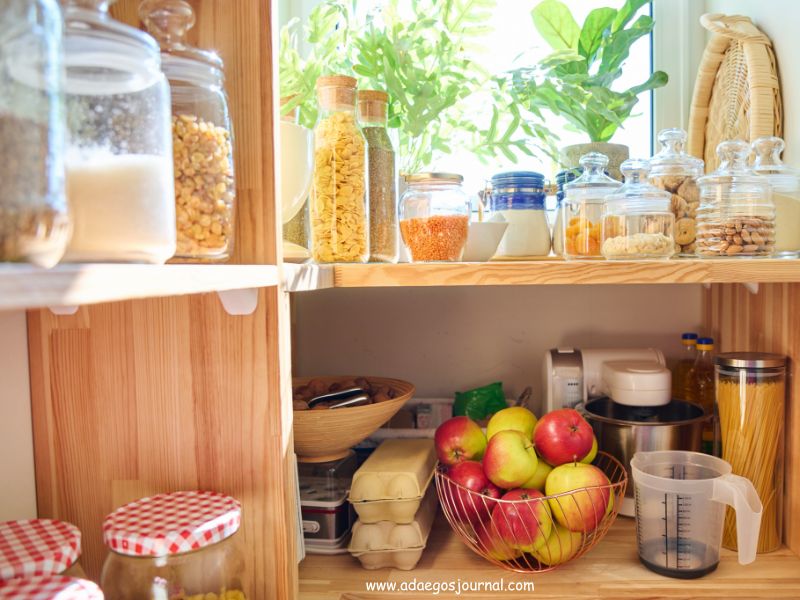
Set aside a small space for:
- Items that are almost finished
- Things close to expiring
- Open packages
This way, those items stay visible and top of mind, so you naturally use them first instead of forgetting about them at the back.
Less waste, less stress, and fewer unnecessary grocery runs.
Step 7: Organize Based on Real Life (Not Perfection)
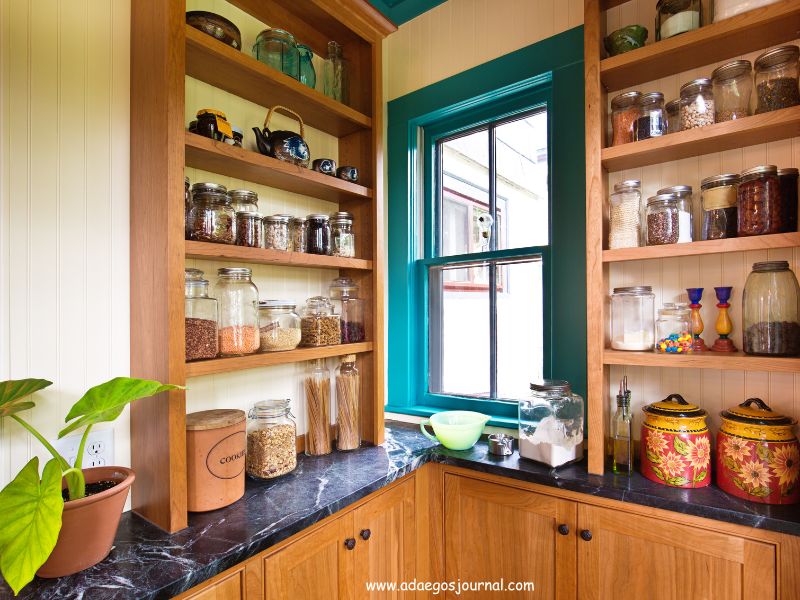
One mistake people make is organizing for how things look instead of how they actually live.
Instead, organize based on how often you use things:
- Eye level: everyday essentials
- Lower shelves: heavy items like rice or flour
- Top shelves: rarely used items
This makes cooking faster and your kitchen feel more intuitive.
Small Pantry Ideas If You Don’t Have a Pantry
Now let’s talk about the part most people struggle with:
“What if I don’t even have a pantry?”
Here’s the good news—you can create one almost anywhere.
The goal is simple:
Make your food visible, accessible, and easy to manage.
1. Turn an Empty Corner Into a Pantry
That random corner in your kitchen that feels useless? It’s actually perfect.
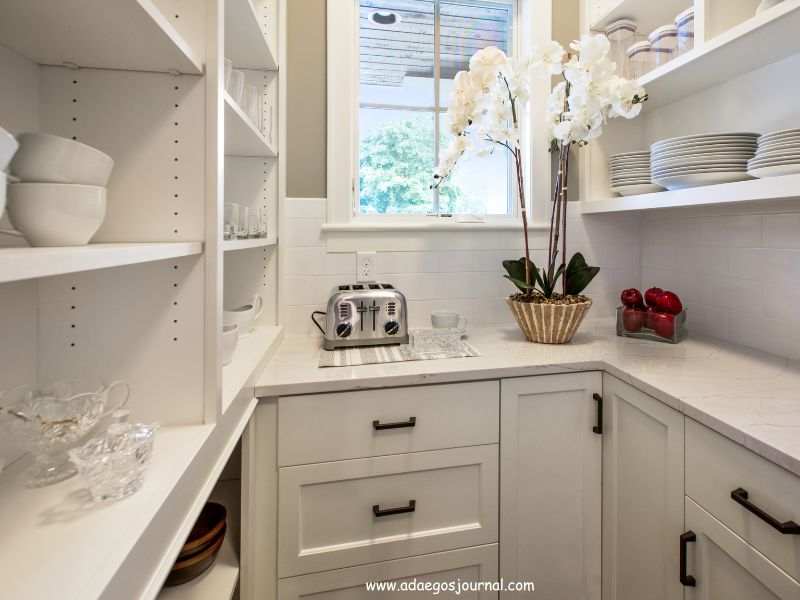
What you need:
- A slim shelf or bookcase (3–5 tiers)
- A few baskets or containers
Simple setup:
- Bottom → bulk items (rice, garri, flour)
- Middle → everyday foods
- Top → rarely used items
Add baskets for snacks and small items to keep everything neat.
This is one of the easiest ways to create a pantry from nothing.
2. The Rolling Cart Pantry (Small but Mighty)
If your kitchen is tight on space, a rolling cart can be a lifesaver.
Why it works:
- Fits into narrow spaces
- Can be moved around easily
- Keeps essentials within reach
How to organize it:
- Top → oils and spices
- Middle → canned goods or breakfast items
- Bottom → bulk storage
You can roll it out while cooking and tuck it away after.
3. Use Your Walls (Vertical Pantry Setup)
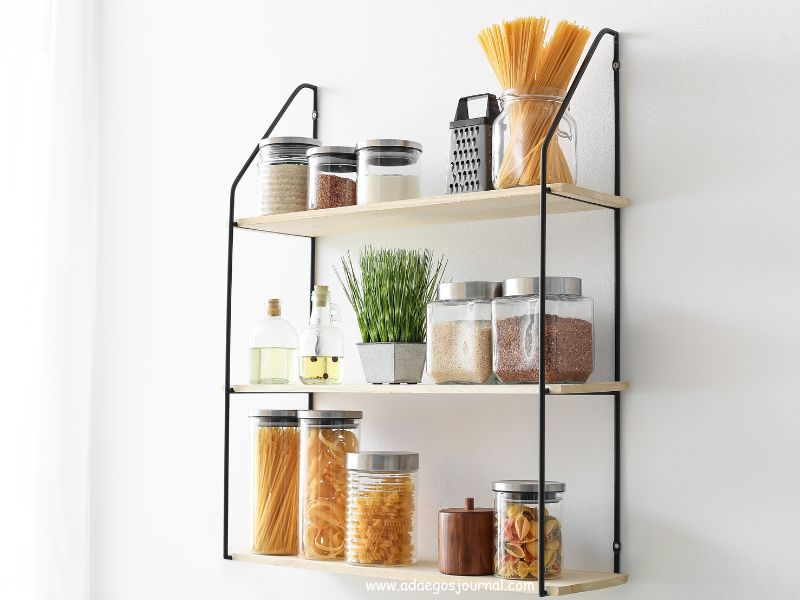
No floor space? No problem.
Use your walls to your advantage.
Install:
- Floating shelves
- Hanging racks
- Hooks
Store:
- Spices
- Small jars
- Frequently used items
This keeps your counters clear while adding storage where you didn’t think you had any.
4. Transform Your Cabinet Into a Hidden Pantry
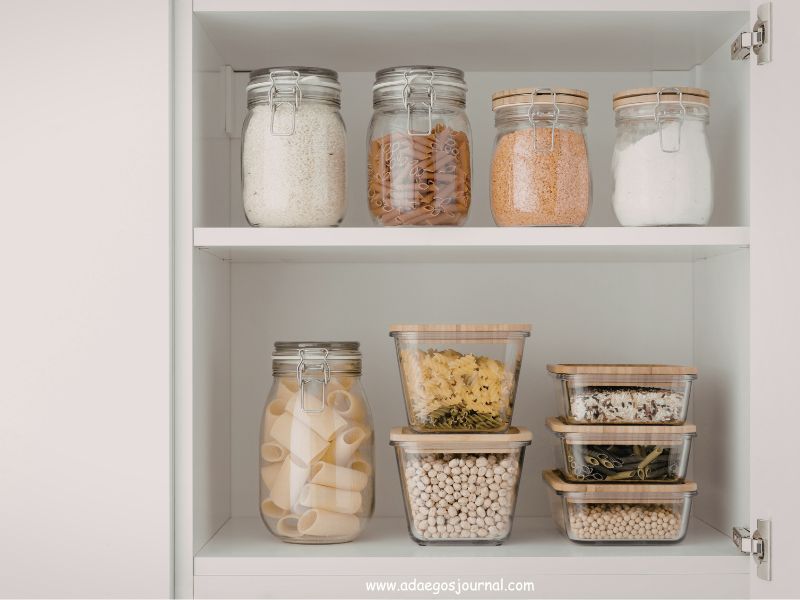
You might already have a pantry—you just haven’t set it up properly yet.
Add:
- Shelf risers
- Pull-out baskets
- Door-mounted racks
Result:
You double your storage space without adding anything new.
5. Create a Pantry Outside the Kitchen
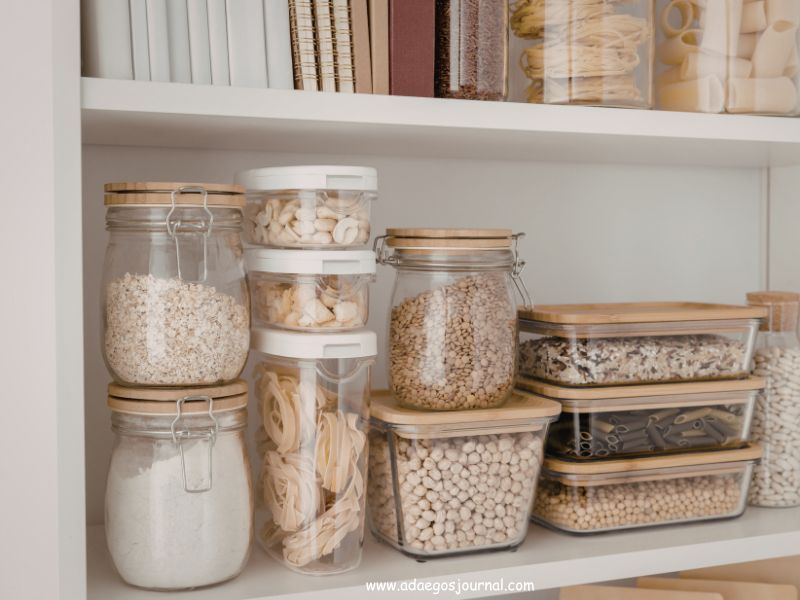
If your kitchen truly has no space, think beyond it.
Use:
- A dining area corner
- A hallway shelf
- A small cabinet nearby
As long as it’s accessible, it works.
A pantry doesn’t have to be inside your kitchen to be functional.
6. Use Door Space (The Most Ignored Hack)
Your cabinet or kitchen door is valuable storage space.
Use:
- Over-the-door organizers
- Hanging racks
Perfect for:
- Spices
- Sachets
- Small snacks
This frees up your shelves instantly.
7. Use the “Mini Zones” System (This Changes Everything)
No matter which setup you choose, this is what keeps your pantry organized long-term.
Divide your space into zones:
- Snacks
- Breakfast
- Cooking essentials
- Bulk storage
Give each zone a bin, basket, or section.
This is how you go from “organized today” to “organized always.”
Keep It Simple So It Stays Organized
A pantry only works if you can maintain it.
Here’s how to keep things easy:
- Put items back after use
- Do a quick 5-minute reset weekly
- Avoid overbuying
Simple rule to live by:
If it doesn’t have a place, don’t bring it in.
Your Kitchen Doesn’t Need to Be Bigger—Just Smarter
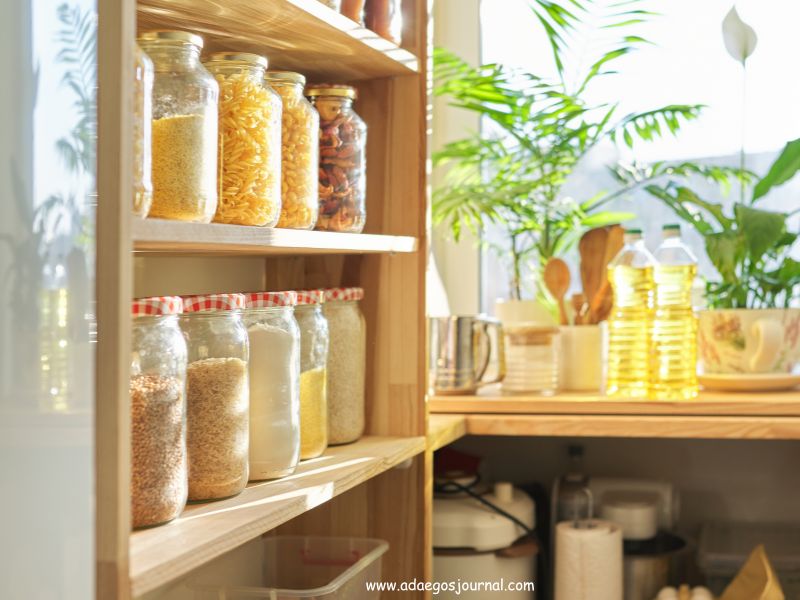
Here’s something I want you to remember:
You don’t need a perfect kitchen to feel organized.
You don’t even need a pantry.
Just start with what you have.
Start with one shelf.
One corner.
One small change.
And once you do, you’ll notice something almost immediately—your kitchen feels calmer, cooking feels easier, and you finally know exactly what you have.
That feeling? It’s worth it.
If you’re ready to take it a step further, you’ll love this guide:
How to Organize a Small Kitchen — it walks you through organizing your entire kitchen, not just your pantry, so everything flows together beautifully.
Thank you for Reading!!!
With Love
Adaego